Henrik Schröder · 2 September 2026
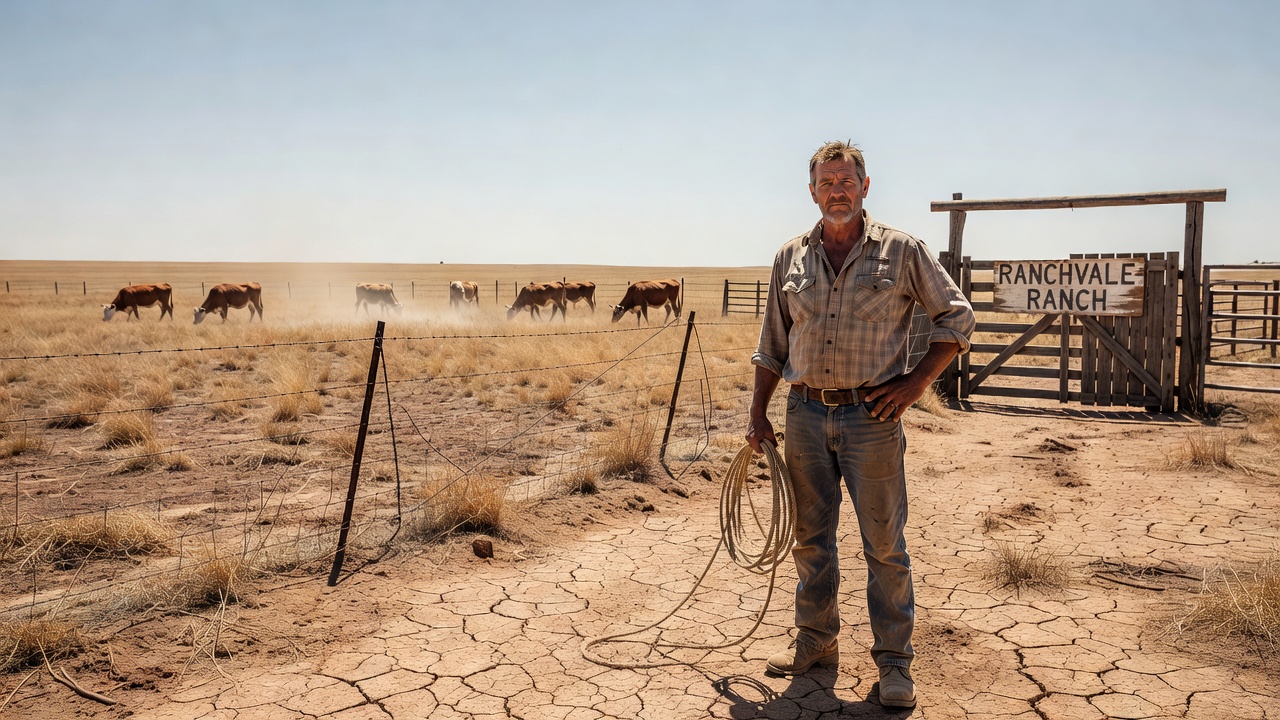
The ongoing severe drought conditions in Ranchvale Valley have forced many ranchers to begin rotating their livestock to new pastures earlier than in previous years. This adjustment is necessary to ensure adequate forage for cattle and other animals as grass growth has been stunted by lack of rain and high temperatures. Local farmers are facing significant challenges in maintaining their operations under these dry conditions.
Effects on Ranch Operations
Ranchers report that the primary pastures are being depleted at a faster rate than usual leading to the need for rotation. This change affects daily routines and requires additional resources for monitoring animal health and pasture conditions. Water availability is also a concern with many wells and streams running low. The economic impact includes higher costs for supplemental feed and potential loss of productivity. Community leaders are working with agricultural experts to provide guidance on best practices during this period. Studies show that early rotation can help prevent soil erosion and promote regrowth if managed properly. However the timing is critical and ranchers must balance immediate needs with long term sustainability of their land. Several families have shared stories of adapting by using portable water tanks and temporary fencing to facilitate the moves. The drought is expected to continue based on forecasts making these strategies essential for survival of the ranches in the valley. Additional support from government agencies may be required to assist with relief efforts and education programs on drought management techniques. Many operations have reduced herd sizes to match available resources preventing overgrazing which could lead to long term land degradation.
Adaptations and Long Term Solutions
To combat the effects ranchers are implementing various adaptations including planting drought resistant grasses and improving irrigation systems where possible. Collaboration among neighbors has increased with shared resources becoming common. Looking ahead experts suggest diversifying income sources and investing in water conservation technologies. These measures could help the agriculture sector in Ranchvale Valley become more resilient to climate challenges in the future. Continued monitoring and research are key to developing effective responses. The situation highlights the importance of preparedness for extreme weather events in agricultural communities worldwide but particularly in regions like this valley that rely heavily on consistent rainfall patterns. Officials recommend close weather monitoring and exploring alternative feed sources to sustain operations through the dry spell.